
Design
Discipline aiming at the harmonisation of the human environment, from the conception of ordinary objects to the planning of sites.
Co
From the Latin cum, with. Indicates meeting or association.
Operation
Act or series of acts, material or intellectual, requiring thought and a combination of means to achieve a determined result.
From DCO’s first brochure, Harare, 1995.
Design Co-Operation (DCO) is a design initiative for social impact, founded in Harare in 1990 and re-established in 2025 by Pierre-Yves Panis.
1990–1999
Harare
DCO was established in 1990 within the Development Technology Centre of the University of Zimbabwe, as a project of the Belgian NGO Delipro. Two young product designers founded it, working in Zimbabwe as development volunteers funded by the French and Belgian governments. A first grant from IKEA paid for equipment and logistics. In June 1991, DCO began work in Mbare Siya-So, Harare’s largest informal production site. From 1993, Pierre-Yves Panis led DCO alone, supported by Belgian development cooperation and private Belgian donors.
Most of the entrepreneurs in Mbare had come to Harare from rural areas and taught themselves a trade, often by copying a chair or a table already on sale nearby. The result was an overproduction of near-identical products, poorly suited to the materials and tools at hand, and rarely profitable. DCO worked with them to design products whose form followed from what they could make. The new products stood out from the copies and sold at a profit. DCO then helped secure orders, deposits and buyers. See: From copy to Maphosa →
Working alone was also a constraint. With no money to spare and everyone struggling, entrepreneurs relied on themselves and avoided depending on others. A metalworker who built a frame for a woodworker to finish had to trust him to finish it properly, on time, and not to sell it and keep the money. So each product was made from a single material. In 1995, DCO founded the Mbare Design Group to break that pattern: a production group that brought metal and wood workers together, later joined by upholsterers, and was designed from the start to become an independent co-operative. Its members doubled their income without any capital injection. A second IKEA grant in 1996 funded equipment and the Production Manager’s post.
Endrew Zacharia, DCO’s Production Manager, was central to its daily operations and led the spread of its co-design approach among Mbare’s entrepreneurs and across the informal sector.
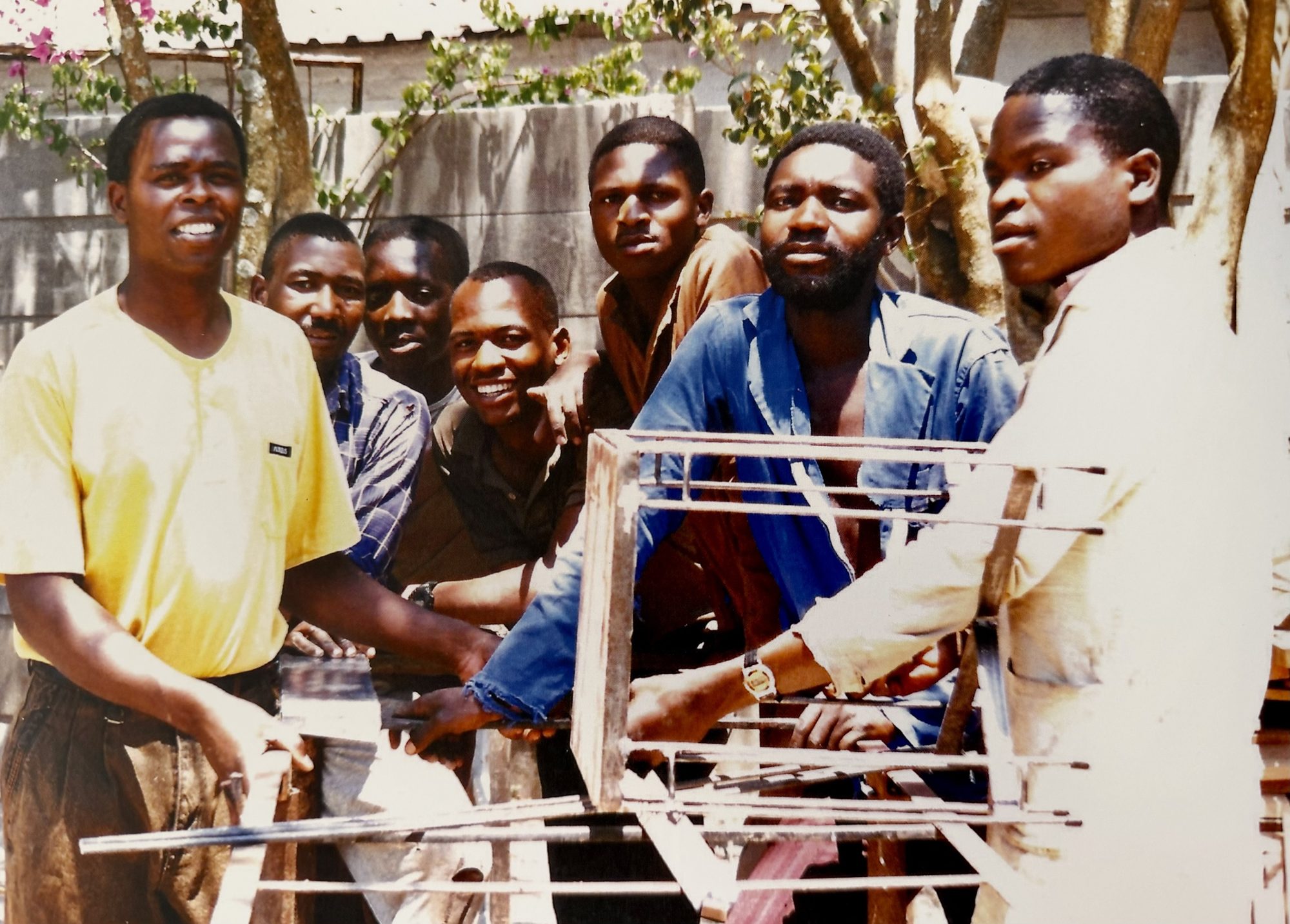
From 1997, a US$250,000 project funded by Belgian Cooperation took the work to export. It developed wood and metal product lines, organised producer groups for international markets, and established distributors in South Africa, the United Kingdom and France. In 1999, DCO’s Maphosa furniture range was selected for the Design for Development Awards of the South African Institute of Design.
After Pierre-Yves Panis left at the end of 1999, Endrew Zacharia kept production and sales running for around four more years, until Zimbabwe’s economic crisis brought them to an end.
“Furniture”, produced by Gerry Jackson for Africa Journal (Mighty Movies, Harare), March 1999. Camera: Alan Hagemann. Editing: Howard Kramer.
2000–2024
Design at scale
At the end of 1999, Pierre-Yves Panis left Zimbabwe. For the next twenty-five years he led design in global companies:
He built two design functions from the ground up, at Legrand and at Signify. At Orange, he led more than 60 designers in Paris, London, Amman and Abidjan, serving 30 countries, and trained over 400 managers in user-centred innovation. At Signify, the CEO mandated him to bring design thinking and co-creation into product and service strategy, as the company moved from lighting products to systems and services.
Building design capability inside organisations, and teaching others to use it, is what DCO now brings to its partners.
2025
Re-establishing DCO
Pierre-Yves Panis has advised organisations in South Africa since 2022. In 2025 he re-established DCO to bring together both halves of his experience: the field method of Mbare, and the practice of design at scale. DCO’s principles today come directly from the Harare years.
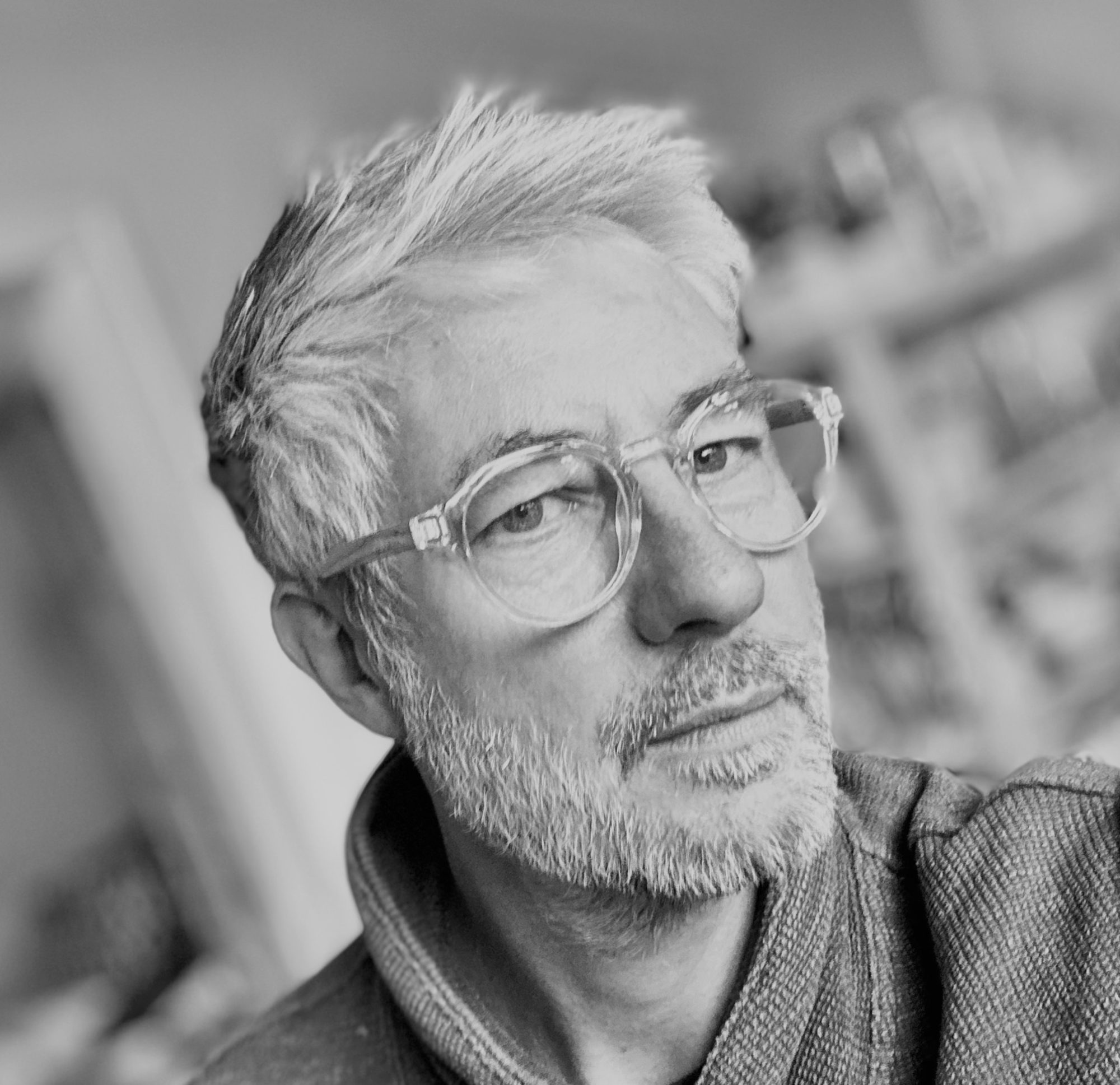
Pierre-Yves Panis
“Don’t ask a designer to design you a bridge. Ask what the best way to cross the river is.”
- Product designer, graduate of ENSCI – Les Ateliers, Paris.
- Twice a member of the Executive Board of Icsid, now the World Design Organization (2011–2013, 2013–2015). Today an active promoter of WDO initiatives, including the Interdesign workshops, and a link to local institutions in Southern Africa and France.
- Jury member, Red Dot Design Award, and Africa Design School, Cotonou.
- Contributor to the Pan-Afrikan Design Institute, including its workshops on the future of design education in Africa.
- Board member, Domaine de Boisbuchet (2015–2025).